13 September 2026
Landlord Insurance Cost UK 2026 | Price Guide | Peacock

Landlord Insurance Cost UK 2026 | Price Guide | Peacock

UK Landlord Insurance Guide 2026

How Much Does Landlord Insurance Cost in the UK in 2026?

Current UK market data suggests that landlord insurance
for a straightforward residential rental property can
start from around £170–£180 a year at
the lower-priced end of the market, while recent median
pricing sits closer to £250–£285 a year
depending on the cover included.

Peacock can compare competitive landlord insurance
quotations available from our insurer panel for
individual properties, portfolios, HMOs and eligible
specialist property risks.

Market data reviewed 13 September 2026

Quick answer

What is a realistic Landlord Insurance cost in 2026?

For a straightforward UK residential rental property,
around £170–£180 a year is currently a useful
reference point for some of the lowest-priced landlord
policies
. It should not be treated as an average.

A broader indication of what landlords actually pay is higher.
Recent UK market data gives a
median annual premium of £251 for landlord buildings
and Property Owners’ Liability Insurance
, increasing
to £283 where landlord contents is also included.

Your own landlord insurance could cost less or considerably
more. Property type, location, rebuild value, tenants,
previous claims, cover selected and whether the property is
an HMO or part of a portfolio can all affect the premium.


£170–£180


Lower-priced market benchmark, not an average.


£251


Recent median for buildings plus liability.


£283


Recent median where landlord contents is included.

Current UK pricing evidence

Landlord Insurance price benchmarks for 2026

Published UK insurance-market data provides several useful
reference points. The figures are not directly comparable in
every respect because the insured risks, policy cover and
customers behind each statistic differ.


Lower-priced market benchmark

£170.96

10% paid this or less

Published 2026 market data for buildings insurance
together with £2 million of Property Owners’ Liability
shows the lowest-priced 10% of customers paying
£170.96 a year or less.

January to June 2026 market data. Source [1].


Buildings + liability

£251

Median annual premium

Recent comparison-market data gives a £251 median
annual premium for landlord buildings insurance together
with Property Owners’ Liability.

November 2025 to April 2026 market data. Source [2].


Buildings + contents + liability

£283

Median annual premium

When landlord contents was also included, the published
median premium increased to £283 a year for the same
reporting period.

November 2025 to April 2026 market data. Source [2].

What does “median” mean?
A £251 median means half of the relevant premiums were £251 or
below and half were £251 or above. That is different from a
“from” price or lowest-10% statistic.

Market averages versus your actual quote

How does Peacock help landlords compare the cost?

National price statistics can help establish whether
landlord insurance is broadly costing hundreds rather
than thousands of pounds for many straightforward risks,
but they cannot tell you what
your own property should cost to insure.

Peacock Insurance Services is an
FCA-regulated UK insurance broker.
We can compare landlord insurance quotations available
from our insurer panel using the actual details of your
property, tenants and cover requirements.

That allows you to compare a real premium against the
current market context rather than relying on a generic
national average.

We look at price alongside the cover, limits, excesses
and terms offered. The lowest-priced quotation will not
necessarily provide the protection you require.

Understanding insurance pricing

Is £170–£180 the average cost of Landlord Insurance?

No. This distinction matters when
comparing landlord insurance prices online.

A statement that 10% of customers paid £170.96 or less
means that the figure represents the
lower-priced end of the market.
It also means 90% of the relevant customers paid more.

Another published UK insurer currently reports that 10%
of its landlord customers paid £15 a month or less during
April to June 2026, which independently places the
lower-priced end of the market at around £180 a year.
Source [3].

What should a landlord realistically budget?

For a straightforward residential property,
roughly £170–£300 a year is a reasonable range
to use for initial comparison purposes based on current
published UK market data
.

That is not a quotation or a guaranteed price range.
Many landlords will pay more because of the property,
occupancy, claims history, location or cover required.

Rather than trying to make your property fit a market
average, the more useful exercise is to

compare landlord insurance for the actual property
.

Why two landlords can pay different prices

What affects the cost of Landlord Insurance?

Insurers assess the individual risk presented by the
property and how it is occupied.

1

Rebuild cost

Buildings insurance is generally based on the cost of
rebuilding the property rather than its sale value.

2

Property type & age

Flats, detached houses, conversions, older buildings and
non-standard construction can be assessed differently.

3

Location

Flood, subsidence, theft and other geographical exposures
can influence price and terms.

4

Tenants & occupancy

The number of tenants and way in which the property is
occupied can affect underwriting.

5

Claims history

Previous property claims or losses can influence the
premium, excess or terms offered.

6

Optional cover

Contents, accidental damage, legal expenses, rent
guarantee and other extensions can increase premium.

7

Rental income

The amount of rent insured and maximum indemnity period
can influence the loss-of-rent exposure.

8

Unoccupancy

Empty properties can present additional risks and
specialist terms may apply.

9

Policy excess

A higher excess can sometimes reduce premium but increases
your contribution towards an eligible claim.

Specialist landlord risks

How much does HMO or portfolio Landlord Insurance cost?

There is no reliable national flat rate for HMOs or property
portfolios. Both normally require more underwriting detail
than a straightforward single-property risk.


Houses in Multiple Occupation

HMO Landlord Insurance

HMO insurance can cost more than cover for some
straightforward single-household lets because the
property may contain more occupants and present
additional underwriting considerations.

Insurers may consider tenant numbers, HMO licensing,
fire protection, building configuration, management
arrangements and previous claims.

Published 2026 market example
£344.36/year

One published quote example for three professional
tenants in a licensed HMO, with £181,914 buildings
cover and £2 million Property Owners’ Liability.
This is one example only and
not an average HMO premium.
Source [1].

Important:
insurance does not replace HMO licensing or a
landlord’s legal and safety responsibilities.


Multiple properties

Property Portfolio Insurance

A landlord with several properties may be able to
arrange multiple rental properties under one
portfolio policy rather than maintaining completely
separate insurance arrangements.

There is no universal cost per property or guaranteed
portfolio discount. Insurers still consider the
properties, rebuild values, occupancies, locations,
claims history and cover required.

Portfolio pricing
No fixed rate

The quotation can provide an overall portfolio
premium while assessing the collection of
properties and exposures being insured.

Peacock can consider

landlord portfolios as well as individual
rental properties
,
subject to insurer acceptance and underwriting.

Compare value as well as price

What should you compare besides the premium?

A cheaper landlord policy is only better value if the cover,
limits, excesses and conditions still meet your requirements.

Core property

Buildings Insurance

Check the buildings sum insured and insured events,
structures and fixtures included.

Liability

Property Owners’ Liability

Compare the indemnity limit and wording applying to
eligible legal liability for third-party injury or
property damage.

Rental income

Loss of Rent

Check how much rental income can be insured and the
maximum indemnity period available.

Landlord property

Contents

Relevant where you own furniture, appliances or other
eligible contents supplied for tenants’ use.

Optional protection

Accidental & Malicious Damage

These extensions are not necessarily automatically
included and terms can vary.

Optional protection

Legal Expenses & Rent Guarantee

Check eligibility, referencing requirements, waiting
periods, limits and the circumstances in which cover
can respond.

Frequently confused

Loss of Rent and Rent Guarantee are not the same thing

The two covers protect against different events and should
not be treated as interchangeable.

Loss of Rent

Loss-of-rent insurance usually relates to rental income
lost because an
insured property-damage event
makes the property uninhabitable.

The event, financial limit and maximum indemnity period
depend on the policy wording.

Rent Guarantee

Rent Guarantee is designed around specified circumstances
where a tenant fails to pay rent.

Separate tenant-referencing requirements, eligibility
rules, limits and waiting periods can apply.

Competitive cover

How can you reduce the cost of Landlord Insurance?

The aim should be to find competitively priced protection
rather than simply removing cover until the premium becomes
cheaper.


Compare quotations


Different insurers can assess the same property
differently.


Give accurate information


Correct property and occupancy information helps insurers
assess the actual risk.


Use an appropriate rebuild value


Do not automatically use the property’s market value as
the buildings sum insured.


Compare equivalent policies


Premiums cannot be fairly compared if one quotation has
materially broader cover or higher limits.


Review the excess


A higher excess can reduce premium but increases your
contribution towards an eligible claim.


Choose relevant optional cover


Understand what each optional section protects before
deciding whether it is required.


Consider portfolio arrangements


Landlords with several properties can compare whether a
combined portfolio arrangement is appropriate.


Disclose changes


Changes in occupancy, unoccupancy or property use should
be disclosed in accordance with policy requirements.

Before you compare

What information do you need for a Landlord Insurance quote?

Having accurate property and occupancy information available
helps insurers provide a meaningful quotation.

01


Property address


Including postcode and property type.

02


Construction


Age, walls, roof and non-standard construction.

03


Rebuild value


The appropriate rebuilding sum insured.

04


Tenant & occupancy


Who occupies the property and how it is let.

05


Rental income


Particularly where loss-of-rent cover is required.

06


Claims history


Previous incidents, losses and insurance claims.

07


Unoccupancy


Any periods for which the property may stand empty.

08


Cover required


Buildings, contents, liability and optional protection.

Sources & methodology

Where do the 2026 price figures come from?

Peacock reviewed current publicly available UK landlord
insurance pricing information on 13 September 2026.
We distinguish between lowest-priced customer statistics,
example quotations and median premiums rather than describing
all figures as an “average”.

[1] Simply Business:
published landlord insurance pricing showing 10% of customers
paying £170.96 or less annually for buildings and £2 million
Property Owners’ Liability between 1 January and
30 June 2026. Its published buy-to-let examples also included
the £344.36 licensed-HMO example referred to above.

[2] Go.Compare:
published landlord insurance data for
1 November 2025 to 30 April 2026 showing a £251 median for
buildings plus Property Owners’ Liability and a £283 median
when landlord contents was also included.

[3] AXA UK:
published landlord insurance pricing stating that 10% of
customers paid £15 a month or less between April and
June 2026.

[4] GOV.UK:
current government information concerning Houses in Multiple
Occupation and HMO licensing requirements in England and Wales.

The organisations named above are included solely as sources
for external market and regulatory information. They are not
necessarily members of Peacock’s insurer panel and their
inclusion does not represent an endorsement or comparison of
their products by Peacock.

Article reviewed:
13 September 2026 by the Peacock Property Insurance Team.

Pricing changes over time. None of the external figures above
predicts what an individual landlord will pay. A Peacock
quotation will depend on the property information supplied,
insurer acceptance, underwriting and the cover selected.

Frequently asked questions

Landlord Insurance Cost FAQs

Concise answers to common questions UK landlords ask when
comparing landlord insurance.

What is the average cost of Landlord Insurance in the UK?
There is no single UK-wide average that applies to every
rental property. Current 2026 market data gives useful
benchmarks, including a £251 median for landlord buildings
and Property Owners’ Liability and £283 where landlord
contents is also included.
Can Landlord Insurance cost around £15 a month?
Yes, some straightforward landlord risks can be insured
around this level. However, published prices around
£14–£15 a month normally represent only a lower-priced
proportion of customers rather than the price most
landlords will necessarily pay.
Why is my Landlord Insurance more expensive than £170?
Around £170 is a lower-end market benchmark rather than a
standard premium. Rebuild cost, location, building type,
tenants, claims history, HMO status, optional cover,
excesses and unoccupancy can all affect the price.
Does Peacock offer competitive Landlord Insurance?
Peacock can compare landlord insurance quotations
available from its insurer panel using the actual details
of your property and cover requirements. The premium
available will depend on insurer acceptance and
underwriting. Peacock does not compare every UK insurer.
Is HMO Landlord Insurance more expensive?
It can be because an HMO may involve more occupants and
additional underwriting considerations. Insurers can
consider tenant numbers, licensing, fire precautions,
building configuration, management and claims history.
There is no fixed national HMO premium.
How much does portfolio Landlord Insurance cost?
There is no universal premium per property. Portfolio
pricing depends on the number and type of properties,
rebuild values, locations, occupancies, claims history
and the cover required.
Does Landlord Insurance get cheaper if I insure several properties?
A portfolio arrangement can sometimes provide competitive
pricing and simpler administration, but landlords should
not assume a guaranteed discount. The portfolio still
needs to be underwritten.
Is Landlord Insurance legally required?
There is no general UK law requiring every residential
landlord to purchase a policy specifically called
Landlord Insurance. A mortgage, lease or other agreement
can nevertheless require appropriate property insurance.
Does Landlord Insurance include Property Owners’ Liability?
Property Owners’ Liability is commonly available within
landlord insurance, but the indemnity limit and precise
wording vary between insurers and policies.
Does Landlord Insurance cover unpaid rent?
Standard loss-of-rent cover is not normally the same as
protection against a tenant simply failing to pay.
Rent Guarantee protection can be available separately
and usually has its own eligibility requirements and
policy conditions.
What is Loss of Rent Insurance?
Loss-of-rent cover can protect insured rental income when
an insured property-damage event makes the property
uninhabitable, subject to the policy’s financial limit
and indemnity period.
Does the sale value of the property determine the premium?
Not directly. Buildings insurance is generally based on
the cost of rebuilding the property rather than its
current sale or market value. Other risk factors also
influence the premium.
Can I insure an empty rental property?
Unoccupied properties can sometimes be insured, although
specialist terms, security requirements, inspections or
different policy conditions may apply.
What is the cheapest way to insure a rental property?
Compare quotations on an equivalent basis, use an
appropriate rebuild value, provide accurate property and
occupancy information, review excess levels and understand
optional cover before adding or removing it.
Does Peacock compare every Landlord Insurance provider?
No. Peacock Insurance Services compares products and
quotations available from its insurer panel. It does not
compare every insurer or landlord insurance product in
the UK.

Find out what your Landlord Insurance actually costs

Market benchmarks are useful, but the most meaningful
price is a quotation based on your actual property,
tenants and cover requirements. Peacock can compare
available landlord insurance quotations from its
insurer panel.


Peacock Insurance Services Limited
is authorised and regulated by the Financial Conduct Authority
and is entered on the Financial Services Register under reference
603863.

Peacock Insurance Services Limited is registered in England and Wales,
company number 08557985.

Insurance is subject to eligibility, underwriting and insurer terms,
conditions, limits, exclusions and excesses.

External market pricing figures are provided as general benchmarks and
do not represent quotations or guaranteed premiums from Peacock Insurance
Services.

Information on this page is general and does not constitute legal advice.

9 February 2022
New Year, New Cover

New Year, New Cover

New Year Resolutions

New Year, New Cover.

We all like to use the new year as an opportunity to set goals, achieve our dreams or quit bad habits.

Is your new year resolution to save money, start your own business or make more time for holidays? Do you have the right insurance cover to help with all of your goals? Whatever your aspirations, the new year is the perfect time to review and assess your insurance needs.

Peacock Insurance Services can help you to review and update your cover for 2022. Follow our useful New Year Resolutions – New Year, New Cover checklist below to make sure all of your insurance needs are covered in 2022.

1. Keep a diary of renewal dates

Make a list of all of the insurance covers you currently have for your personal and business needs.

Check when they are due for renewal.

Make a record of the dates. Whether it’s electronically or manually, make a diary for around three weeks before your renewal date to remind you that your insurance policy is due.

Save Peacock Insurance Services contact number with your diary and call to get a quote. We can help to find you the cover you need at a low premium by searching a panel of leading insurers saving you both time and money.

2. Update Your Home Buildings and Contents Cover

Did you receive expensive gifts for Christmas such as jewellery or art? Did you get that big screen TV, bicycle or mobile phone you wanted?

When was the last time you added up the cost of replacing all of your contents? The new year is the perfect time to review your home insurance needs. Why not try the following?:

a) Create a list of the contents in each room in your home (don’t forget hallways, bathrooms, kitchens and outbuildings). You’ll be surprised how it soon adds up and how much it costs to replace them.

b) Separate your contents into categories such as valuable items, items you take out of the home and those you keep in outbuildings.

c) Compare your current home insurance policy cover amounts for valuable items, personal possessions away from home, contents in outbuildings and high risk items such as bicycles and mobile phones.

Here at Peacock we can help you to review your home cover whether its contents only or combined with your building insurance making sure you have the security of the right cover whilst saving you money.

3. Plan for your 2022 holiday

Do you own your own touring or static caravan or holiday home? Do you plan to take some much needed time away next year? Have you checked your cover is right for you?

We offer different types of insurance cover for both touring and static caravans and holiday homes from a panel of leading insurers. Our experts will help you to ensure that your 2022 holiday won’t be affected by not having the right cover in place. In addition we can arrange cover for contents, awnings, and caravan and holiday home rental.

Check what cover is right for you with one of our specialists today.

4. Plan for your future business

Are you dreaming of setting up a new business? Do you run a business and want to make sure that you have the right cover so you can continue trading should anything go wrong? Do you have plans to expand your business and need additional security?

Here at Peacock Insurance we can arrange the following different insurance covers to help you achieve your business goals:-

Public Liability

Employers Liability

Motor Trade

Equipment Hirers

Commercial Property Insurance

Property Owners Insurance

Events

Latent Defects Insurance

Insurance Backed Guarantees

Contact us and we will take you through our easy to follow quotation process setting you on your way to obtaining the business cover you need.

5. Schedule a New Year Personal Insurance Review

Schedule a personal insurance review with one of our agents. They will help you to take care of managing your insurance diary. We will then arrange for a specialist to call you back to review your policy requirements for when you need cover or when your policy is due for renewal.

Let Peacock Insurance Services help you with your New Year Resolutions – New Year, New Cover checklist, and start your year with the peace of mind that we will find you the right cover at the right price for any insurance need you have.

Information in this article was correct at time of publishing 19th January 2021

15 November 2021
Covid-19: The silver lining for the second-hand car trader

Covid-19: The silver lining for the second-hand car trader

Peacock Insurance is open and its business as usual.

Covid-19: The silver lining for the second-hand car trader.

Its boom time for motorists and the used car market, July saw the new car market take a dip but used car sales grew 108.6% in the second quarter of 2021 according to the latest figures from the Society of Motor Manufacturers and Traders.

More than 2 million vehicles changed hands, up 6.6% on 2019 pre-pandemic levels, the best Q2 performance and almost the best quarter ever for the used car market.

This has seen an increase in both new traders riding the crest of the wave and previously experienced traders re-entering the market after a difficult 18 month period.

In addition to this new A-rated insurers have entered the market to both diversify and add a competitive angle to a previously hard market.

Peacock have you covered for every eventuality…………………

Unfortunately, during the height of the pandemic it seemed that there were a number of insurance brokers that simply didn’t have the fluidity to deal with the challenges that arose from the impact of COVID-19.

Many Brokers took steps to either reduce staff numbers with some even being forced to close.

Fortunately, Peacock Insurance were able to react quickly and decisively to this evolving situation.

Peacock remained fully operational throughout the pandemic using virtual office technology and continue to operate a hybrid model of both home and office working. Peacock Insurance would like you to feel assured that we are as we have been for over 15 years – fully committed to the motor trade community.

Motor Trade doesn’t have to cost the earth, whether you’re a Mechanic or Valeter, Sole Trader or Limited company, need a part or full time Policy, we can help find the right policy for you.

We have access to 95% of the UK market, all of which are A rated insurers operating within the industry, Peacock Insurance Services is an elite broker in the market who can help you with your insurance needs.

Our friendly, experienced Motor Trade Team are ready and prepared to assist all our clients as we continue to return to normal post pandemic. Our business continuity plan remains active so you are safe in the knowledge that whatever the circumstances are over the coming months we will be here to support you regardless.

Call us today on 02476 437647 or visit Motor Trade Insurance so one of our trusted experienced advisors can help you secure the right cover for your business.

The information contained in this article is accurate and compliant at the date of publishing on 05/11/2021

3 March 2020
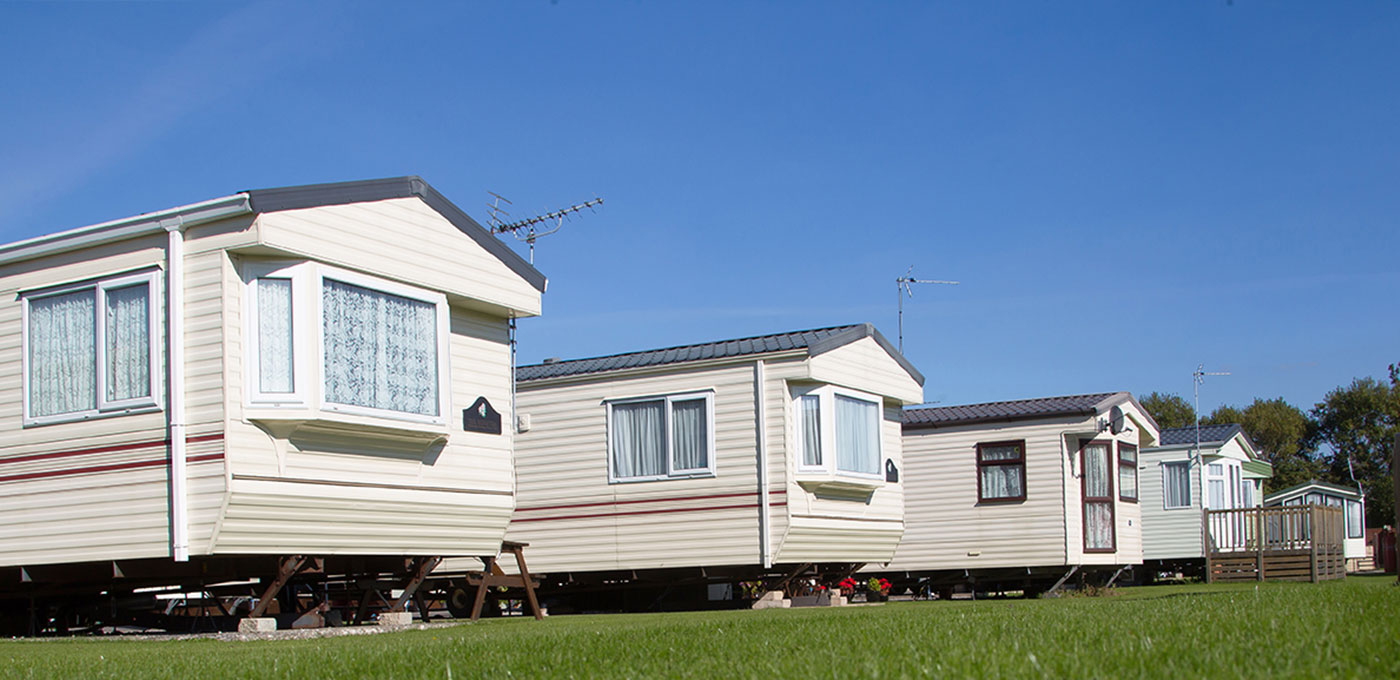
Top tips to protect your static caravan

Top tips to protect your static caravan

At Peacock Insurance we know buying a static caravan is a huge financial responsibility, which makes protecting your investment very important, and when it comes to insuring your investment, it makes sense to arrange your insurance through a specialist broker.

Peacock Insurance understand the unique requirements of holiday home owners so we can arrange flexible cover options and excellent value for money, with leading insurers. Whether your static caravan is used solely by you and your family, or let out as holiday home on a commercial basis, we have the policy and cover to suit your needs.

As well as choosing a specialist broker like Peacock Insurance to arrange insurance for your holiday home, there is plenty you can do to protect your static caravan. Holiday Parks are often in areas that can be more susceptible to the elements like high-winds and flooding. As many people come and go at a holiday park, this gives a greater risk of theft and vandalism. Poor maintenance could reduce the lifespan of your holiday home. All of these possibilities make it important to be aware of what you can do to protect your investment in a static caravan.

Top tips to Protect Your Static Caravan

Tips to keep Your Static Caravan Secure

Choosing your holiday park

Check if your holiday park is a member of a ‘watch scheme’. Scheme members have seen reductions in theft and crime.

Find out how the site is managed. Is there on site security? Is there on site monitoring of alarms and CCTV?

At the end of the season are you required to empty your caravan? Whilst this may seem inconvenient it is an important factor in reducing crime on holiday sites.

Protect with an Alarm

Protecting your caravan with an alarm is a great deterrent for intruders. It will be heard all over the holiday park and in most cases intruders will run away.

Check your Locks

Make sure all doors and windows are locked before you leave and at night time. This may seem obvious but when in a rush to pack up and get home, it’s easy to forget a window.

If your static does not have double glazing consider fitting window locks.

Install a Motion Sensor Light

Installing a motion sensor light outside is a great deterrent to burglars. If your pitch is flooded with light, it is unlikely they will run the risk of being seen. These can be purchased at reasonably priced from DIY stores.

Safety Tips for Your Static Caravan

Ventilation

Make sure the caravan is well ventilated and ensure vents are not blocked to avoid a build-up of poisonous gases.

Carbon Monoxide Alarm

Carbon monoxide is a highly poisonous gas that is invisible, and you cannot taste or smell it. Always have an approved alarm in your static caravan.

Smoke Alarms

Always have a minimum of one smoke alarm and check and change batteries yearly.

Fire Extinguisher

It is recommended that you have one or more fire extinguishers in your caravan, preferably within reach of the kitchen.

Fire Blanket

Keep a fire blanket in the kitchen to extinguish any cooking fires.

Appliances

Ensure all appliances are off at night to minimise fire risk.

Gas Checks

Most holiday parks now recommend for your own safety that you have annual boiler & gas fire check carried out by a Gas Safe Registered engineer.

Gas Cylinders

Make sure your gas connection pipe is secure and the gas bottles are stored in a safe place.

Always keep flammable items away from the cylinders.

Maintenance Tips for your Static Caravan

Gutters & Roof

Keep the gutters and roof free of debris, a simple sweep can prevent roof damage. Use an extended brush for your safety.

Regularly check the gutters and the roof for breaks and holes. If water builds up it can rot the roof and cause damp inside the caravan.

Water

Holiday caravans are less insulated than standard homes and water can easily freeze, causing pipes to burst.

Turn off the water when you are not there and at the end of the season drain the water systems prior to leaving.

Chassis

Check the chassis regularly and use wax oil to keep free of rust. Chassis damage repair is expensive but preventable.

Consider skirting if the holiday park is near the sea.

Foundations

Check your homes foundations looking out for cracks and report any to the site owner.

Damp

Leave your curtains open when you are not in the caravan in the colder months, to air the caravan.

Panels

Regularly clean the outside of the caravan with a warm water and a detergent such as a car cleaner. Animal waste and tree sap can cause damage if left unchecked.

Talk to one of our insurance experts directly on 02476 437 600 & we will personalise your Static Caravan Insurance cover specific to your needs or visit this link for an online quotation!

26 February 2020
Peacock Insurance Services Supports National Apprentice Week

Peacock Insurance Services Supports National Apprentice Week

February 3rd 2020 was the start of National Apprenticeship Week; this is an annual weeklong celebration of apprenticeships across England and at this time we recognise and applaud apprenticeship success stories across the whole of the country. At Peacock Insurance Services we marked this occasion by taking part in local school and college workshops to promote the benefits of an apprenticeship and how you can be get involved.

As a business we value every one of our employees, around 30% of our work force has either begun their journey with us as an Apprentice or is currently in the process of completing an Apprenticeship.

All of our Apprenticeships are completed in partnership with Coventry College. It is a structured training program where you can work towards a qualification. While completing the NVQ accreditation you will gain the skills and knowledge you need in your chosen industry. You are also able to earn while you learn, as it stands today the current National Apprenticeship wage is £700 per month.

As a business, Peacock Insurance Services offer Apprenticeships across the whole business, ranging from Administration to Accounts and even Sales. There are also options to gain full Insurance Accredited Qualifications. Train to become an Insurance Underwriter or even a Department Section Head once you have completed your Apprenticeship.

Our passion is to help develop all of our staff. 98% of our Apprentices become full time employees once they have completed their qualifications. Some of our success stories include our very first Apprentice that started with us over 10 years ago, he has developed his career over the years becoming a very valued member of our team and is now completing a CII Diploma in Insurance. This qualification is a technical and supervisory qualification for Insurance staff working across all sectors of the Insurance Industry. Another success story includes an apprentice working their way up into the Management Team. Many have become Deputy Section Heads for different Departments where they learn the skills needed to one day manage their own teams. Some will become Trainers and Mentors for other staff coming into the business whether from normal employment channels or as a new apprentice.

If you are interested in joining our team as an Apprentice or have any questions about current opportunities please send your CV to our Human Resources Department: hr@peacockinsurance.co.uk

You can also visit for more information this external link for the Official HM Government Apprenticeships website.

13 February 2020
Peacock Insurance are pleased to announce that they are the proud finalists of the 2020 FSB Wellbeing Award of the Year

Peacock Insurance are pleased to announce that they are the proud finalists of the 2020 FSB Wellbeing Award of the Year

The Federation of Small Businesses (FSB) Small Business Awards are a leading celebration of small businesses, shining a light on some of the best and most determined small businesses, across all industries.

Peacock Insurance are delighted to announce that we have been shortlisted as regional finalists in the 2020 FSB Wellbeing Award of the Year.

The Wellbeing Award of the Year recognises businesses that are creating an environment for their employees to succeed by demonstrating their commitment to their health and wellbeing. Judges will be looking for those businesses that promote and encourage wellbeing and positive health amongst their employees through a number of initiatives.

Representatives from Peacock Insurance will be attending the regional finals in March, with the potential to be entered into the grand finals which will be held in London. Peacock Insurance are proud to be recognised in this way for the commitment and investment they have devoted to improve their employee wellbeing over the last 18 months.

This a fantastic event to be a part of, celebrating small businesses in the West Midlands and Peacock Insurance are looking forward to meeting the other finalists in this year’s awards in March.

Peacock Insurance with the best of luck to all involved.

10 December 2019
All you need to know about Caravan Insurance this Winter

All you need to know about Caravan Insurance this Winter

The sun has gone in, the mornings are getting colder, and the evenings darker. It’s that time of year where everything starts to feel damp, and time away in the caravan may not feel as welcoming as it did in peak season. That’s not to say that you should park the caravan up until next season though. There’s plenty of fun still to be had if you want to, but it’s worth noting that if you are hanging the keys up until next year, you’ll need to be aware of the steps to take to close down your static caravan safely. 

Preparing your caravan for the winter months

Once you’re sure that you are done using the caravan for a few weeks or months, preparing your caravan for freezing cold temperatures is something that mustn’t be avoided. Whilst you can still make good use of your caravan or tourer during the winter, the vast majority of caravanners tend to use this time to make adjustments to their caravan ready for the next season of shows, trips and holidays. Making sure your caravan is completely up-to-date and ready to go is essential maintenance in giving your caravan a long life-span ensuring to get the best out of it during the main season.  

Parking

Parking your caravan somewhere safe, whether that be on a home driveway, a field or spare bit of land is important for keeping the caravan safe throughout those slack travel months. It might sound like a simple ‘tick-off’ the to-do list but it’s surprising how many people overlook where they’ll safely store their caravan. 

Battery

It’s advisable to take your battery out of your caravan over the winter, particularly if you don’t store your caravan at home, and take it home to store in a warm, dry place. As leaving it in a cold and damp caravan across the freezing winter months can deteriorate the state and the performance of the battery. 

However, if your policy requires you to have an alarm on the caravan, or indeed if you’ve outlined that there is an alarm in place, taking the power supply out means that the power supply won’t function. This could invalidate your insurance policy, so it’s always good to check under what endorsements your insurance policy is! 

Shut off the water supply 

After the last trip of the summer, before you choose to park your caravan up, you must shut off the water supply to the caravan and drain the pipes of any excess. The last thing you want to happen is that under freezing conditions, your pipes freeze and burst, causing catastrophe to your interiors. Potentially costing thousands in repairs. 

What is the law on caravan insurance? 

Touring Caravan Insurance

Touring caravans are not subject to insurance by law as they can be covered by your car insurance, in a third party capacity. However, in order to drive safely and with the peace of mind should any incident occur, it’s always best to check with your car insurance provider to make sure the level is adequate enough for your requirements. This is true too when the caravan is parked up for the end of the season. To keep you protected from fire, theft, or any other unexpected incident beyond your control, it’s helpful and can save you a lot of cash to have an insurance policy covering you.

Static Caravan Insurance

Again, there is no legal requirement to insure your static caravan. However, if something were to go wrong, then you as the owner would need to foot the bill for this. It’s worth remembering that with a static caravan, it is obviously in-situ away from home on a what-would-be empty caravan site over the winter months. Could you afford it if something were to go wrong?

Need to find specialist caravan insurance? We have access to Insurers who specialise in caravan insurance so contact us for a free online quote here. 

8 November 2019
Insurance for Landlords

Insurance for Landlords

Is landlord insurance compulsory?

There’s no legal obligation for landlords to take out a specific and dedicated insurance policy, but having one in place is worthwhile when letting your property to tenants. And it’s worth noting that some lenders will make it a requirement of taking out a buy-to-let mortgage and a typical buildings insurance policy will probably decline a claim if it transpires the property is tenanted. So, in our opinion, it is always worthwhile taking out a Landlords Insurance policy to be on the safe side.

Types of landlord insurance

    • Boiler insurance

Landlords are legally responsible for repair works and maintenance for heating, hot water, gas appliances, pipes, ventilation, wiring and sanitary fittings.

Therefore, it is important to ensure that you have all you need if a boiler were to go wrong. Boilers are expensive to replace, so it may be worthwhile considering boiler insurance.

  • Landlords’ contents insurance
  • Landlords’ liability insurance
  • Legal expenses
  • Home emergency cover

There are a lot of variables that can be included in insurance policies for landlords. Not all of them are relevant for every type of landlord, but finding a package to suit you and your circumstances can see you on the right track.

Why should you get full liability insurance?

Liability insurance protects you and your let property against claims made by tenants for personal injury or damage to their possessions in your property. By having this type of insurance in place, it means that you can save yourself from hefty bills as a result of damage, injury or accidents from tenants. As we say, there’s no specific regulation that means you must take out insurance policies on your let properties, but if your property is mortgaged, there may be stipulations in your mortgage for you to have the relevant insurance before taking on tenants.

It can help to retain a good relationship with your tenants as it will take away the responsibility as the landlord to stand the cost of any damage from your tenants as the insurance will cover it.

Landlord legal expenses

Loss of income expenses

If your property is damaged for a reason covered by your policy such as a fire or flooding, and you can’t rent out the home, your landlord insurance may cover you for lost rental income. Check the policy details to find out if this is an item which is covered on your insurance document.

Damage

Having a policy which covers you for accidental damage is essential as a landlord. Especially if the rental agreement is for a furnished property. It can help to save you, as a landlord, money, but it can also help to iron out any confusion with regards to who is responsible for what.

Emergency

Emergency cover includes those unforeseen circumstances, where without appropriate insurance you may find yourself having to fork out hundreds on the spot. Eventualities which are included in this policy are the breakdown of the heating system, plumbing and drainage problems, damage or failure of external locks where access or security is a problem. It also covers if your only toilet is broken, loss of power, assistance to stop an emergency arising from roof damage, removal of hornets, wasps, rats and mice.

Want to find out more about landlord insurance or compare cover? Get in touch with our team today on 02476 437 600.

Small Business Insurance: Do I Need It?

Small Business Insurance: Do I Need It?

Small business insurance is available in several different types of policy, and depending on the scope of your business, and is reflected in three main categories: public liability, employers’ liability, and professional indemnity.

It can be tempting to leave small business insurance off your list of things-to-do when you first open up shop or begin running a brand new business. The day-to-day running of a business comes with its own series of things to do, some are more important than others, and what is small business insurance anyway? Is it really that important?

Yes, it is. Firstly because if you’re an employer, then employers’ liability insurance is a legality in the UK. Professional Indemnity insurance isn’t a legal requirement but may well be a requirement of a regulatory body for your industry. So, understanding the basics from the beginning is essential to success in your business venture.

Making the most of small business insurance:

Risk assessment

Whilst health and safety may seem like a tick box exercise, it’s essential when running a  business, and therefore when searching the market for business insurance. What is the risk to your business and how can this be adequately managed? The answer will likely always be public liability insurance, as it can save you from a rather large financial headache if something were to happen as a result of your business practice.

Having full and comprehensive small business insurance too helps customers to make their decision as to whether they will buy your product or service. If it’s clear that you are fully insured, if something were to go wrong, they can live in the knowledge that you are fully covered for any eventuality.

Review business practice

Each month, quarter or year, businesses change their strategy, increase or decrease staffing levels, or change something substantial operationally. Often, the biggest downfall of these quite significant business changes can result in businesses not being adequately insured.

This can be as they’ve employed more people, making their current policy null and void, or because their operations no longer suit the policy they previously acquired. The best way to avoid this scenario is to conduct full business audits when looking for new business insurance.

Price

Don’t just insure your business purely based on the price of the premium. Sure, you need to be mindful when it comes to business operational costs as with every cost in a business, they add up. Though, without being cautious of what you’re actually insured for on a quote (which offers ‘competitive pricing’), and focusing solely on price, the cost can actually add up to way more than the most expensive insurance quote.

Types of small business insurance which can be arranged by Peacock:

  • Employers Liability Insurance: this covers the cost of compensation claims that could arise from employee illness or injury caused by their working for you.
  • Professional Indemnity: covering losses caused by defective work or financial loss as a result of your business.
  • Public Liability: covers the event in which somebody outside your company gets injured or their property is damaged because of your business.


Insurance for use by traders:


    • Business/commercial vehicle insurance: this is imperative for any business that uses a vehicle for their job. This can pertain to people who drive their own car for their job, or a vehicle used by the business and its employees solely for business use.


    • Tools cover: this is mostly applicable to tradespeople (but can extend itself to equipment insurance which is useful in shops or cafés, for example).


  • Goods in Transit: for frequent movers this is essential. Perhaps you’re a moving company or a courier with goods in transit most of your working day then you’ll need to make sure you’re covered for all eventualities.

Do you need an insurance solution to suit your small business? Contact our team of experts today.

The information contained in this blog is accurate and compliant at the date of publishing on 27/11/2019

29 August 2019
Replacement Latent Defect Insurance Cover

Replacement Latent Defect Insurance Cover

Due to a number of last-minute issues, the FSCS (Financial Services Compensation Scheme) has been unable to secure replacement Latent Defect / Residential Warranty cover via BCR Legal Group following the collapse of Alpha Insurance and are now issuing refunds.

This will affect over 20,000 customers of Alpha who no longer have cover; many of whom may be unaware. Not only does this put them in breach of their mortgage conditions, but homeowners may also be unable to sell their property in the future and they could be liable for substantial expense if structural defects or land contamination become evident.

The NHBC are unable to assist as they do not provide replacement (typically known as Retrospective) Latent Defect cover. Peacock Insurance, however, has negotiated terms with an ‘A’ Rated financially stable Insurance Company based in the UK in order to assist Alpha customers.

Peacock Insurance urges those concerned to take immediate action and contact them to discuss your circumstances. Please contact their specialist Latent Defect team on 02476 437626.

What is a Latent Defect / Residential Warranty policy?

This type of insurance covers defects made by contractors during construction that cause damage to the structure for 10 or 12 years after the building works completed. This type of insurance is usually taken out by the developer on behalf of the homeowner. It covers:

  • Workmanship faults
  • Faults in the design
  • Faulty materials
  • Faulty installation
  • Faulty construction
  • Contaminated land clean up costs

Do I need Latent Defect Insurance?

This type of cover is a mandatory requirement for all Major UK Lenders. This means that if no cover in force it is a breach of Mortgage Terms and Conditions. Homeowners will be unable to sell their home within the first 10 years and they could incur substantial costs should structural defects or land contamination occur.

Who to contact?

To discuss your circumstances please immediately get in touch with the Specialist Latent Defect Insurance team via Peacock Insurance on 02476 437 626 or warranty@peacockinsurance.co.uk.

Privacy Overview

This website uses cookies so that we can provide you with the best user experience possible. Cookie information is stored in your browser and performs functions such as recognising you when you return to our website and helping our team to understand which sections of the website you find most interesting and useful.

You can adjust all of your cookie settings by navigating the tabs on the left hand side.

Read Our Privacy Policy Here